Introduction
When should businesses rekey their locks? This question surfaces more often than most company owners expect, yet the answer can mean the difference between a secure workplace and a costly security breach. In the fast-paced Bay Area business landscape, where employee turnover, lease changes, and security upgrades happen frequently, understanding the right timing for lock rekeying is essential.
Your commercial property holds sensitive data, valuable inventory, and the safety of your team. Therefore, maintaining control over who can access your building is not optional; it is a fundamental responsibility. Unfortunately, many business owners wait until a problem arises before they act. Consequently, they face unnecessary risks that could have been prevented with timely rekeying services.
In this guide, you will learn the critical situations that demand lock rekeying for businesses. Furthermore, you will discover how this cost-effective security measure compares to full lock replacement, what the process involves, and why partnering with a trusted Bay Area locksmith makes all the difference. Whether you manage a small retail shop in San Jose or a multi-office complex in San Francisco, this article will equip you with actionable insights to protect your business.
What Does Rekeying a Commercial Lock Involve?
The Basics of the Rekeying Process
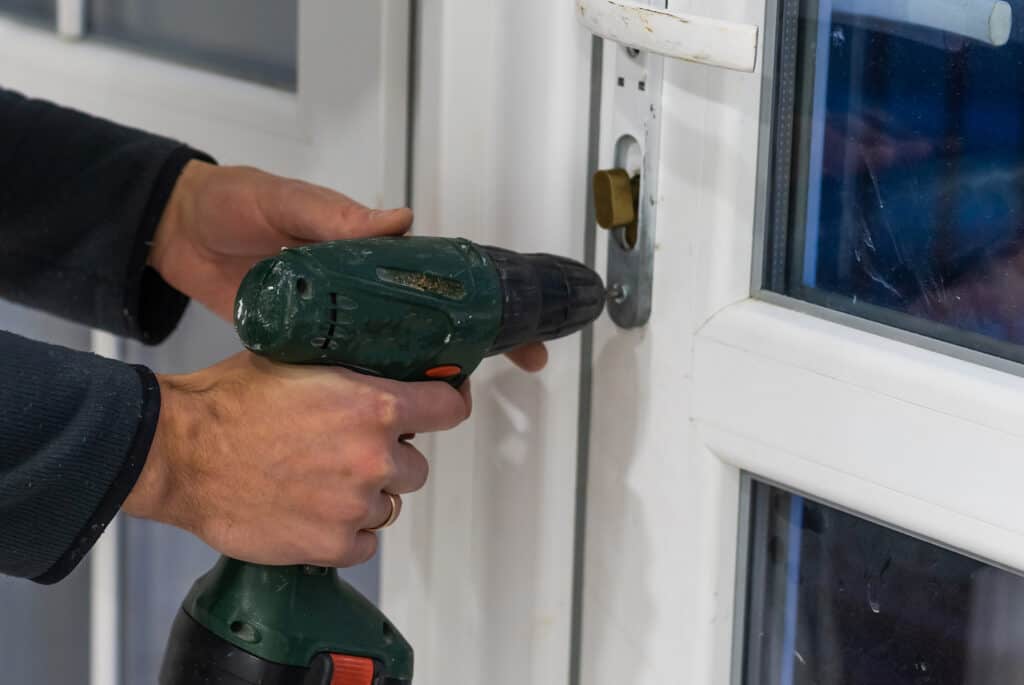
Rekeying a commercial lock is a precise procedure that changes the internal configuration of the lock cylinder so that old keys no longer operate it. A professional locksmith removes the lock cylinder, replaces the existing pins with a new set, and then cuts fresh keys that match the updated pin arrangement. As a result, the lock hardware itself remains in place, but the keying system becomes entirely new.
This process differs significantly from full lock replacement. With rekeying, you retain your existing door hardware, which preserves the aesthetic and functional consistency of your property. Moreover, rekeying is typically faster and more affordable than installing entirely new locks. For businesses operating on tight schedules, this efficiency matters.
However, rekeying is not a universal solution. If your current locks are damaged, outdated, or do not meet modern security standards, then lock change services may be the better path forward. A qualified locksmith can assess your hardware and recommend the most appropriate course of action.
Why Rekeying Matters for Business Security
Above all, rekeying restores key control. When you rekey your locks, you eliminate any uncertainty about who holds copies of your keys. This is especially important in commercial settings where multiple employees, contractors, and service providers may have had access over time.
Additionally, rekeying allows you to consolidate your keying system. If your business currently juggles several different keys for different doors, a locksmith can rekey all cylinders to work with a single master key. This streamlines daily operations while maintaining strict access control.
Key Situations When Businesses Should Rekey Their Locks
After Employee Turnover or Termination
Employee departures are one of the most common triggers for rekeying. When a staff member leaves, especially under contentious circumstances, the risk of unauthorized access increases substantially. Even if the employee returns their assigned key, you cannot be certain that copies were not made.
Furthermore, employees who had access to key duplication services, such as through our car key duplication offerings, may understand how easily spare keys can be created. Therefore, prudence demands that you rekey affected locks promptly after any termination or resignation.
Best practice suggests rekeying not only the employee’s direct access points but also any shared areas they frequented. This includes supply rooms, server closets, and executive offices. Most importantly, establish a policy that mandates rekeying within a defined timeframe after any personnel change.
Following a Change in Property Ownership or Lease
When should businesses rekey their locks? The answer is clear: immediately after acquiring or leasing a new commercial space. Previous tenants, property managers, maintenance crews, and real estate agents may all possess copies of the existing keys. Even if the previous owner assures you that all keys were returned, relying on that promise is a gamble your business cannot afford.
In the Bay Area’s competitive commercial real estate market, properties often change hands quickly. Consequently, the chain of key custody can become murky. Rekeying upon move-in ensures that your business starts with a clean security slate. Moreover, it demonstrates due diligence to your insurance provider, which may favorably impact your coverage terms.
For businesses leasing space, review your lease agreement carefully. Some landlords retain the right to access the property, which means rekeying without their consent could violate your contract. In such cases, coordinate with the property owner and a professional locksmith to implement a mutually acceptable security solution.
After a Security Breach or Break-In Attempt
Any attempted or successful break-in should trigger an immediate security review, and rekeying should top your priority list. Intruders may have obtained keys before the incident, or they may have compromised your locks during the attempt. Even if the break-in was unsuccessful, the integrity of your locking system could be compromised. According to established security assessment best practices, businesses should treat every breach attempt as a signal to evaluate and strengthen their physical access controls without delay.
Additionally, rekeying after a security incident sends a clear message to your team and stakeholders. It shows that you take threats seriously and that you are committed to maintaining a safe environment. For businesses in high-traffic Bay Area corridors, this visible commitment to security can also reassure customers and clients.
If the break-in caused physical damage to your locks, then commercial lock repair or commercial lock replacement may be necessary alongside rekeying. A comprehensive security assessment will reveal the full scope of required actions.
When Keys Are Lost or Stolen
Lost or stolen keys represent one of the most urgent reasons to rekey. Unlike a terminated employee who may return a key, a missing key creates an open-ended security vulnerability. You do not know who has it, where it is, or whether it will be used maliciously.
Time is critical in these situations. The longer you wait to rekey, the greater the window of opportunity for unauthorized entry. Therefore, contact a locksmith immediately upon discovering that a key is missing. If you operate in multiple locations, consider whether the lost key could access other sites and rekey those as well.
To mitigate future risks, implement a key tracking system. Assign keys to specific individuals, require sign-out logs, and prohibit unauthorized duplication. These administrative controls, combined with timely rekeying, create a robust defense against key-related security gaps.
During Routine Security Upgrades
Proactive businesses do not wait for incidents to upgrade their security. Instead, they schedule periodic rekeying as part of a broader maintenance strategy. For instance, many companies rekey their locks annually or biannually, regardless of whether a specific trigger has occurred. Current commercial property security guidelines emphasize that regular access control reviews are among the most effective ways to reduce long-term vulnerability to unauthorized entry.
This approach is particularly valuable for businesses with high employee turnover, such as retail stores, restaurants, and hospitality venues. In these environments, the cumulative risk of key compromise grows steadily over time. Regular rekeying resets that risk and maintains tight access control.
Moreover, routine rekeying provides an opportunity to evaluate whether your current locks still meet your needs. Perhaps your business has grown, and you now require a master key system. Alternatively, you may want to upgrade to high-security cylinders that resist picking and bumping. A scheduled rekeying appointment is the perfect time to discuss these enhancements with your locksmith.
Rekeying vs. Lock Replacement: Making the Right Choice
When Rekeying Is the Better Option
Rekeying is ideal when your existing locks are in good condition and you simply need to change who has access. It is also the preferred choice when you want to consolidate multiple keys into a single system. For example, if your business currently carries separate keys for the front door, back door, and office suite, a locksmith can rekey all cylinders to accept one master key.
Additionally, rekeying is the more economical choice. Since you are not purchasing new hardware, the cost remains lower. The labor involved is also less intensive, which means minimal disruption to your business operations. For budget-conscious Bay Area businesses, this efficiency is a significant advantage.
When Lock Replacement Becomes Necessary
On the other hand, lock replacement is necessary when your hardware is damaged, outdated, or inadequate for your security needs. If your locks show signs of wear, such as difficulty turning the key or visible corrosion, replacement is the smarter long-term investment. Similarly, if your locks lack modern security features, upgrading to high-security models will provide superior protection.
Businesses in older Bay Area buildings may find that their existing locks do not comply with current building codes or insurance requirements. In these cases, commercial lock replacement is not just advisable; it may be mandatory.
Ultimately, the decision between rekeying and replacement depends on your specific circumstances. A reputable locksmith will evaluate your hardware honestly and recommend the solution that best serves your security goals and budget.
The Business Benefits of Timely Rekeying
Cost-Effective Security Management
One of the most compelling reasons to rekey is the cost savings it delivers. Full lock replacement involves purchasing new hardware, paying for installation labor, and potentially modifying door preparations. Rekeying avoids most of these expenses while delivering the same core benefit: restored key control.
For businesses managing multiple locations, these savings multiply. Instead of replacing dozens or hundreds of locks, you can rekey them at a fraction of the cost. This financial efficiency allows you to allocate security budgets toward other critical areas, such as surveillance systems or access control technology.
Minimal Operational Disruption
Business continuity is paramount, and rekeying respects that priority. A skilled locksmith can complete the process quickly, often outside of business hours, so your operations remain uninterrupted. In contrast, full lock replacement may require more extensive work, including door adjustments and hardware fitting.
Furthermore, rekeying does not alter the appearance of your doors or require employees to learn new locking mechanisms. The user experience remains unchanged, which reduces friction and ensures smooth adoption.
Enhanced Peace of Mind
Perhaps the greatest benefit of rekeying is the peace of mind it provides. Knowing that only authorized personnel hold valid keys allows you to focus on running your business rather than worrying about security gaps. This psychological benefit extends to your employees as well, who will feel safer knowing that access is strictly controlled.
FAQ: Common Questions About Business Lock Rekeying
How often should a business rekey its locks?
Most security professionals recommend rekeying at least once every one to two years as a baseline. However, businesses with high turnover or elevated security risks should rekey more frequently. For instance, if your company experiences several employee departures within a short period, rekeying after each departure is prudent. Additionally, any security incident, such as a break-in or lost key, should trigger immediate rekeying regardless of when the last service occurred.
Can all commercial locks be rekeyed?
The majority of standard commercial locks can be rekeyed, including deadbolts, knob locks, and lever handle locks. However, some specialized or proprietary systems may require manufacturer-specific parts or may not support rekeying at all. High-security locks with restricted keyways often need to be serviced by locksmiths authorized by the manufacturer. Therefore, it is best to consult with a professional who can assess your specific hardware and advise accordingly.
How long does the rekeying process take?
The duration depends on the number of locks and their complexity. A single commercial lock can typically be rekeyed within 15 to 30 minutes. For a business with multiple doors, a locksmith may complete the entire property in a few hours. Scheduling the service during off-hours or weekends can ensure zero disruption to your daily operations.
Is rekeying as secure as replacing the locks entirely?
Rekeying restores key control, which is the primary security concern in most situations. If your existing locks are high-quality and in good condition, rekeying provides equivalent security to replacement in terms of access management. However, if your locks are outdated or vulnerable to picking, bumping, or other bypass methods, then upgrading to modern hardware through commercial lock replacement will deliver superior protection.
What should a business do before calling a locksmith to rekey?
First, conduct an inventory of all locks that need rekeying, including exterior doors, interior offices, storage areas, and any restricted zones. Next, determine how many new keys you will need and who should receive them. If you want a master key system, outline which doors each key should access. Finally, gather any relevant information about your lock brands and models, as this helps the locksmith arrive prepared with the correct tools and pins.
Can rekeying help with key management for multiple locations?
Absolutely. A professional locksmith can design a keying system that allows a single master key to operate locks across all your business locations, while also providing sub-master keys for individual sites. This simplifies key management for owners and facilities managers. Moreover, if you operate a fleet of company vehicles, similar key management principles apply to car rekey services.
Will rekeying affect my insurance coverage?
Many commercial insurance policies encourage or require businesses to maintain adequate physical security measures. Rekeying after employee turnover, property changes, or security incidents demonstrates due diligence, which can support your coverage position. Some insurers may even offer reduced premiums for businesses that implement regular security maintenance, including periodic rekeying. Consult your insurance provider to understand how rekeying fits into your overall risk management strategy.
Conclusion
When should businesses rekey their locks? The answer spans a wide range of scenarios, from employee turnover and property changes to security breaches and routine maintenance. In every case, the underlying principle remains the same: maintaining control over who can access your commercial space is non-negotiable.
For Bay Area businesses, where competition is fierce and security threats are ever-present, proactive rekeying is a smart investment. It is cost-effective, minimally disruptive, and delivers immediate peace of mind. Furthermore, it positions your company to respond swiftly to personnel changes and security challenges without overextending your budget.
If you suspect your business may need rekeying, do not delay. Contact LuckyLock Locksmith today to schedule a professional assessment. Our experienced team serves the entire Bay Area and can help you determine the best security strategy for your specific needs. Whether you require commercial lock repair, lock change services, or expert rekeying, we are here to keep your business secure.