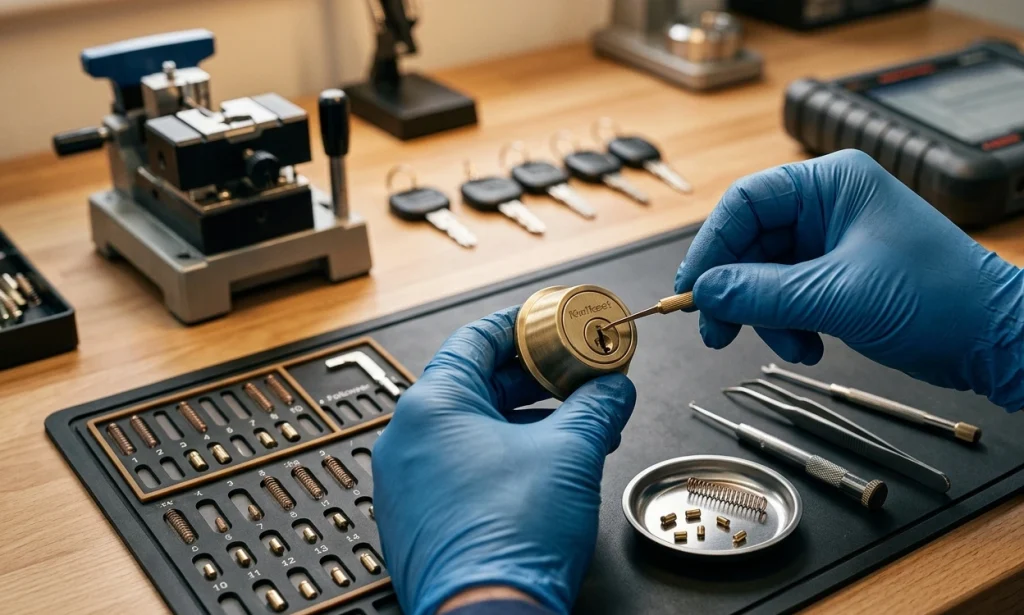
A broken lock can strike at the worst possible moment. You twist your key; it snaps. You push the door; the latch refuses to catch. Suddenly, your sense of safety crumbles. In these stressful situations, many homeowners and business owners wonder whether they should attempt a quick fix themselves or seek expert help. The truth is simple: broken lock repair demands professional skill, precision tools, and deep security knowledge.
Throughout this guide, you will discover exactly why calling a trained locksmith saves time, money, and frustration. We will explore the hidden dangers of DIY attempts, the benefits of professional service, and the clear signs that your lock needs immediate attention. Furthermore, you will learn how a qualified technician handles everything from jammed deadbolts to smart lock failures. By the end, you will feel confident about choosing the right path when your lock gives out.
What Causes a Lock to Break?
Locks are mechanical devices that endure constant use, weather exposure, and occasional abuse. Over time, wear and tear take their toll. Understanding the root causes of lock failure helps you prevent problems before they escalate.
Normal Wear and Tear
Every time you insert a key or turn a knob, internal components shift and grind. Springs compress, pins slide, and metal surfaces rub together. Consequently, microscopic debris accumulates inside the cylinder. After thousands of cycles, this friction weakens the mechanism. Eventually, the lock seizes, sticks, or stops responding altogether.
In addition, environmental factors accelerate deterioration. Humidity causes rust, while extreme temperatures expand and contract metal parts. For this reason, outdoor locks often fail sooner than indoor ones. Regular maintenance can extend a lock’s lifespan, but no mechanism lasts forever.
Forced Entry Attempts
Burglars and vandals frequently damage locks during break-in attempts. They may drill the cylinder, pry the faceplate, or snap the keyway. Even unsuccessful attacks leave the lock compromised. In many cases, the internal pins bend or the housing cracks, making normal operation impossible.
Moreover, a damaged lock sends a dangerous signal to criminals. A visibly broken mechanism suggests weak security, which invites further attempts. Therefore, addressing broken lock repair immediately after an incident is essential for restoring both function and deterrence. According to the , property crimes involving forced entry remain a significant concern for homeowners nationwide, making prompt lock repair a critical security measure.
Improper Installation or Low-Quality Hardware
Not all locks are created equal. Cheap hardware from big-box stores often contains flimsy components that fail under moderate stress. Similarly, incorrect installation creates alignment issues between the latch and strike plate. As a result, the bolt grinds against the frame, wears prematurely, and eventually jams.
Professional locksmiths recommend investing in grade-rated hardware from trusted manufacturers. Additionally, proper installation ensures that every part moves freely and seats correctly. If you suspect your lock was poorly installed, a technician can assess the situation and recommend suitable upgrades.
Key-Related Damage
Keys themselves contribute to lock failure. Worn, bent, or poorly cut keys place uneven pressure on internal pins. Over time, this stress deforms the cylinder and causes misalignment. Furthermore, forcing a wrong key into a lock, or snapping a key inside the keyway, creates immediate and severe damage.
When a key breaks off inside a lock, extraction requires specialized tools. Amateur attempts with pliers, glue, or paper clips often push the fragment deeper. Instead, a professional uses precision extractors and scopes to remove the piece without harming the mechanism.
The Hidden Dangers of DIY Lock Repair
The internet overflows with tutorials promising easy lock fixes. Videos show viewers picking, drilling, or disassembling locks in minutes. However, these demonstrations rarely reveal the risks involved. Attempting broken lock repair without proper training can create bigger problems than the original failure.
Risk of Further Damage
Locks contain dozens of tiny, interconnected parts. Springs, driver pins, key pins, and wafers must align perfectly for the mechanism to function. One wrong move during disassembly can scatter these components across your floor. After that, reassembly becomes nearly impossible without factory diagrams and specialized tools.
In addition, many homeowners use incorrect lubricants or excessive force. WD-40, for example, attracts dust and gums up the cylinder over time. Similarly, hammering a stuck bolt can warp the housing and ruin the entire assembly. What begins as a minor issue quickly becomes a total replacement.
Security Vulnerabilities
A poorly repaired lock may appear functional while remaining insecure. For instance, a bent pin or misaligned latch can create gaps that allow bypass techniques. Criminals exploit these weaknesses with simple tools like credit cards, shim wires, or bump keys.
Furthermore, DIY repairs often leave visible scratches or tool marks. These signs advertise that the lock has been tampered with, which encourages further attacks. Professional technicians, by contrast, restore both security and aesthetics. They ensure that the lock meets original manufacturer standards for resistance against picking, drilling, and forced entry.
Voided Warranties and Insurance Complications
Many lock manufacturers void warranties if non-certified individuals attempt repairs. Similarly, insurance policies may deny claims for break-ins if investigators determine that amateur repairs contributed to the vulnerability. In other words, saving a few dollars on a DIY fix could cost thousands in uncovered losses.
Professional locksmiths carry liability insurance and provide service guarantees. If something goes wrong during the repair, you are protected. This peace of mind alone justifies the investment in expert service.
Personal Injury Hazards
Lock repair involves sharp metal edges, spring-loaded components, and sometimes power tools. A slipping screwdriver can slice your hand. A compressed spring can launch a pin into your eye. These injuries are more common than most people realize.
Moreover, working on exterior doors at odd hours, especially during a lockout, exposes you to weather, traffic, and personal safety risks. Calling a mobile locksmith eliminates these dangers entirely. The technician arrives equipped with protective gear and proper lighting to complete the job safely.
Why Professional Broken Lock Repair Is the Smart Choice
When your lock fails, you need a solution that is fast, reliable, and secure. Professional locksmiths deliver exactly that. They combine technical expertise, specialized equipment, and industry knowledge to resolve issues that stump the average homeowner.
Expert Diagnosis and Targeted Solutions
A trained locksmith does not guess; they diagnose. Using inspection tools and years of experience, they identify whether the problem lies in the cylinder, the bolt, the strike plate, or the door frame. This precision prevents unnecessary replacements and ensures that the repair addresses the root cause.
For example, a sticky deadbolt might stem from a warped door rather than a faulty lock. In this case, adjusting the hinges or strike plate solves the problem without touching the hardware. Similarly, an electronic smart lock failure could result from a software glitch rather than physical damage. A professional knows how to distinguish these scenarios and apply the right fix.
Access to Professional-Grade Tools and Parts
Locksmiths invest thousands of dollars in specialized equipment. Pinning kits, key decoders, scope cameras, and electronic programmers allow them to service everything from antique mortise locks to modern biometric systems. They also stock replacement parts from leading manufacturers, ensuring compatibility and durability.
In contrast, the average homeowner owns a basic screwdriver set and perhaps a hammer. These tools are inadequate for precision lock work. Attempting repairs with the wrong equipment almost guarantees damage. By hiring a professional, you leverage tools and parts that would be impractical to acquire for a single job.
Mobile Service and Emergency Response
Lock failures rarely happen at convenient times. You might discover a broken lock when leaving for work, returning home late at night, or opening your business on a Monday morning. Fortunately, reputable locksmiths offer 24/7 mobile service with rapid response times.
A technician arrives at your location fully prepared to handle the situation on-site. They carry replacement locks, rekeying supplies, and programming devices in their service vehicle. As a result, most repairs are completed in a single visit. This convenience minimizes disruption to your schedule and restores security without delay.
Comprehensive Security Assessments
Beyond fixing the immediate problem, a professional locksmith evaluates your overall security posture. They inspect adjacent locks, doors, and entry points for vulnerabilities. If they notice outdated hardware, improper installation, or wear patterns, they recommend proactive upgrades.
For instance, a technician might suggest door lock replacement for a severely damaged unit. Alternatively, they may recommend lock change services after a break-in to ensure no compromised keys remain in circulation. This holistic approach transforms a reactive repair into a strategic security improvement.
Common Types of Broken Locks and How Professionals Fix Them
Locks come in many varieties, each with unique failure modes and repair techniques. Understanding these differences helps you communicate effectively with your locksmith and set realistic expectations.
Deadbolt Failures
Deadbolts provide the primary security barrier for most residential doors. When they break, the consequences are serious. Common issues include jammed bolts, misaligned strikes, and cylinder rotation failures.
A professional addresses jammed bolts by first determining the cause. If rust or debris is the culprit, they clean and lubricate the mechanism with graphite-based products. If the bolt itself is bent or cracked, they extract and replace it. For misalignment issues, they adjust the strike plate or shim the door frame to restore proper clearance.
Cylinder problems require more intricate work. The technician disassembles the lock, inspects each pin and spring, and replaces worn components. In cases of severe damage, they may recommend door lock repair or full replacement to ensure reliability.
Knob and Lever Lock Malfunctions
Entry knobs and levers contain complex internal linkages between the handle, latch, and locking mechanism. When these linkages break, the handle spins freely or the latch fails to retract.
Repairing these units involves removing the hardware from the door and disassembling the chassis. The locksmith examines the cam, spindle, and spring cage for damage. Worn parts are replaced with manufacturer-specific components. After reassembly, they test the mechanism for smooth operation and proper engagement.
Because knob and lever locks are often paired with deadbolts, technicians also verify that both systems work harmoniously. This coordination prevents situations where one lock interferes with the other.
Smart Lock and Electronic Failures
Modern smart locks add convenience but introduce new failure points. Dead batteries, software glitches, and connectivity issues can render the lock inoperable. Physical components, such as motorized bolts and fingerprint scanners, also wear out over time.
Professional locksmiths trained in electronic security systems can diagnose these problems efficiently. They test power supplies, update firmware, and recalibrate sensors. For hardware failures, they source replacement modules from the manufacturer. Additionally, they ensure that the lock integrates properly with your home automation system and mobile apps.
If you are considering upgrading to smart technology, a locksmith can advise on the best models for your needs. They can also explain the importance of lock change when transitioning from traditional to electronic systems.
Commercial Lock Issues
Businesses face unique lock challenges due to high traffic, multiple users, and complex access control requirements. Commercial-grade locks, such as mortise cylinders, rim locks, and panic bars, require specialized knowledge to repair correctly.
A commercial locksmith understands the demands of business environments. They repair or replace commercial lock repair hardware to meet fire codes, ADA requirements, and insurance standards. They also maintain master key systems and audit trails for accountability.
For businesses experiencing repeated lock failures, the technician may recommend commercial lock replacement with higher-grade hardware. This upgrade reduces maintenance costs and improves overall security.
When to Repair vs. Replace a Broken Lock
Not every broken lock can or should be repaired. Sometimes replacement offers better value, security, and longevity. A professional locksmith helps you make this decision based on objective criteria.
Factors Favoring Repair
Repair makes sense when the damage is isolated and the lock is otherwise high-quality. For example, a single broken spring in a grade-one deadbolt is easily fixed. Similarly, minor alignment issues or lubrication problems require minimal intervention.
Additionally, antique or custom locks may have sentimental or architectural value. In these cases, preserving the original hardware through skilled repair is preferable to replacement. A locksmith with restoration experience can source period-appropriate parts and maintain the lock’s historical integrity.
Repair is also the faster option when you need immediate security restoration. A technician can often complete repairs on-site within minutes, whereas replacement may require ordering special hardware.
Factors Favoring Replacement
Replacement becomes necessary when the lock is extensively damaged, outdated, or incompatible with modern security needs. For instance, a lock that has been drilled, pried, or corroded beyond recognition cannot be reliably repaired. Installing new hardware ensures dependable performance.
Security upgrades also justify replacement. If your current lock lacks bump resistance, pick protection, or drill resistance, repairing it leaves you vulnerable. Modern locks incorporate advanced features like sidebar mechanisms, spool pins, and hardened steel inserts. Upgrading during a failure event is both practical and strategic. The provides guidance on security hardware standards that can help you evaluate whether your current locks meet modern protection benchmarks.
Finally, replacement is wise when you have lost control of your keys. If keys are unaccounted for, rekeying or replacing the lock prevents unauthorized access. This step is especially important after employee turnover, tenant changes, or relationship breakups.
Cost Considerations
While cost should not be the sole factor, it matters. Repairs are generally less expensive than replacements for minor issues. However, repeatedly repairing a failing lock can exceed the cost of a quality replacement over time. A professional provides transparent pricing and explains the long-term value of each option.
For businesses, the cost of downtime must also be considered. A lock that fails repeatedly disrupts operations and frustrates employees. Investing in reliable replacement hardware reduces these hidden costs.
How to Choose the Right Locksmith for Broken Lock Repair
Not all locksmiths offer the same level of skill, professionalism, and integrity. Selecting the right provider ensures that your repair is done correctly the first time.
Verify Credentials and Licensing
Reputable locksmiths hold valid licenses where required by state or local law. They also carry liability insurance and bonding to protect customers. Before hiring, ask for proof of credentials. Additionally, check whether the technician belongs to professional organizations like the Associated Locksmiths of America (ALOA). Membership indicates commitment to ongoing education and ethical standards.
Read Reviews and Request References
Online reviews provide insight into a locksmith’s reliability, punctuality, and workmanship. Look for consistent positive feedback across multiple platforms. Furthermore, ask the company for references from recent customers. Speaking directly with past clients reveals details that reviews may omit.
Confirm Transparent Pricing
A trustworthy locksmith provides upfront estimates before beginning work. They explain labor rates, parts costs, and any potential additional charges. Beware of companies that quote suspiciously low prices over the phone, then inflate the bill upon arrival. Transparent pricing builds trust and prevents disputes.
Evaluate Range of Services
Ideally, your locksmith should handle more than just broken lock repair. Choose a provider with expertise in car lockout situations, house lockout emergencies, ignition repair, and key programming. This versatility ensures that you have a single trusted contact for all security needs.
LuckyLock Locksmith, for example, serves residential, commercial, and automotive clients throughout the Bay Area. Their technicians are equipped to handle everything from simple latch adjustments to complex electronic system failures.
Preventive Maintenance: Keeping Your Locks Healthy
The best broken lock repair is the one you never need. Preventive maintenance extends the life of your hardware and catches problems before they cause failures.
Regular Cleaning and Lubrication
Dirt, dust, and grime accumulate inside lock cylinders over time. These contaminants increase friction and accelerate wear. To prevent this, clean your locks periodically with compressed air and lubricate them with graphite powder or Teflon-based products. Avoid oil-based lubricants, which attract debris and create sticky residues.
Inspect and Tighten Hardware
Loose screws, sagging doors, and shifting frames place strain on locks. Every few months, inspect your door hardware for signs of looseness. Tighten screws on hinges, strike plates, and lock faceplates. If the door sags or rubs against the frame, adjust the hinges to restore proper alignment.
Test All Functions
Periodically test every feature of your locks. Ensure that keys turn smoothly, bolts extend fully, and latches retract without resistance. For electronic locks, verify battery levels, keypad responsiveness, and wireless connectivity. Address minor issues immediately before they escalate into major failures.
Schedule Professional Inspections
Consider annual inspections by a qualified locksmith. They can identify wear patterns, corrosion, and alignment issues that escape casual observation. Professional maintenance is especially valuable for commercial properties with high-traffic doors and complex access control systems.
Frequently Asked Questions About Broken Lock Repair
What are the most common signs that my lock is broken and needs professional repair?
Several warning signs indicate impending lock failure. First, difficulty inserting or turning the key suggests internal pin wear or debris buildup. Second, a loose or wobbly handle indicates broken internal linkages. Third, the latch failing to catch or retract points to alignment problems or spring failure. Fourth, visible rust, corrosion, or physical damage compromises both function and security. Finally, unusual noises, such as grinding or clicking, reveal mechanical distress. If you notice any of these symptoms, contact a locksmith promptly. Early intervention prevents complete failure and potential lockouts.
Can I fix a broken lock myself, or should I always call a professional?
While some minor issues, such as loose screws or dry mechanisms, can be addressed with basic tools, most broken lock repair tasks require professional expertise. DIY attempts risk further damage, security vulnerabilities, and personal injury. Moreover, improper repairs may void warranties and complicate insurance claims. For anything beyond superficial maintenance, calling a trained locksmith is the safer and smarter choice. They possess the tools, knowledge, and insurance to resolve the problem correctly.
How long does professional broken lock repair typically take?
The duration depends on the type of lock and the extent of damage. Simple repairs, such as lubrication or strike plate adjustment, may take fifteen to thirty minutes. More complex issues, like cylinder rebuilds or electronic diagnostics, can require an hour or more. Replacement jobs generally take longer than repairs, especially if new hardware must be ordered. A professional locksmith provides a time estimate after assessing the situation. Mobile service ensures that most jobs are completed in a single visit.
Is it better to repair my broken lock or replace it entirely?
The repair versus replace decision hinges on several factors. Repair is preferable when the lock is high-quality, the damage is minor, and the hardware has sentimental or architectural value. Replacement makes sense when the lock is extensively damaged, outdated, or fails to meet modern security standards. A professional locksmith evaluates these factors objectively and recommends the most cost-effective and secure solution. They also consider your budget, timeline, and long-term security goals.
Will a repaired lock be as secure as a new one?
A properly repaired lock by a qualified technician should restore full security functionality. The locksmith replaces worn components with manufacturer-grade parts and tests the mechanism against industry standards. However, if the lock was already low-quality or outdated before the failure, repair alone cannot upgrade its inherent resistance to modern attack methods. In such cases, the technician may recommend replacement with a higher-security model. Ultimately, the goal is to ensure that your lock provides reliable protection equivalent to or better than its original state.
What should I do if my key breaks off inside the lock?
If your key snaps inside the lock, stop using the lock immediately. Do not attempt to extract the fragment with pliers, glue, or other household items. These methods often push the piece deeper or damage the cylinder. Instead, call a professional locksmith who uses specialized extractors and bore scopes. They can remove the broken key safely and assess whether the lock requires repair or replacement. After extraction, consider having a spare key cut to prevent future breakage.
How much does professional broken lock repair cost compared to DIY fixes?
DIY fixes may seem cheaper upfront, but hidden costs often make them more expensive. Purchasing tools, replacing damaged locks after failed attempts, and dealing with insurance complications add up quickly. Professional broken lock repair offers transparent pricing, guaranteed workmanship, and protection against further damage. The exact cost varies based on lock type, damage severity, and service timing. Emergency or after-hours calls may carry premium rates. Request a detailed estimate before authorizing work to avoid surprises.
Conclusion
A broken lock is more than an inconvenience; it is a security emergency. Whether you face a jammed deadbolt, a snapped key, or a malfunctioning smart lock, the path to resolution is clear. Professional broken lock repair delivers expert diagnosis, precision workmanship, and lasting peace of mind. DIY attempts, by contrast, invite further damage, security gaps, and costly mistakes.
Throughout this guide, we have explored the causes of lock failure, the dangers of amateur repairs, and the comprehensive benefits of hiring a trained locksmith. We have also examined when repair makes sense versus when replacement offers superior value. In every scenario, the expertise of a qualified technician proves indispensable.
If you are dealing with a broken lock right now, do not wait. Contact LuckyLock Locksmith for fast, reliable service across the Bay Area. Their experienced team handles everything from door lock repair to commercial lock repair, ensuring that your property remains secure and accessible. Call today or visit their website to schedule your appointment. Your safety is too important to leave to chance.